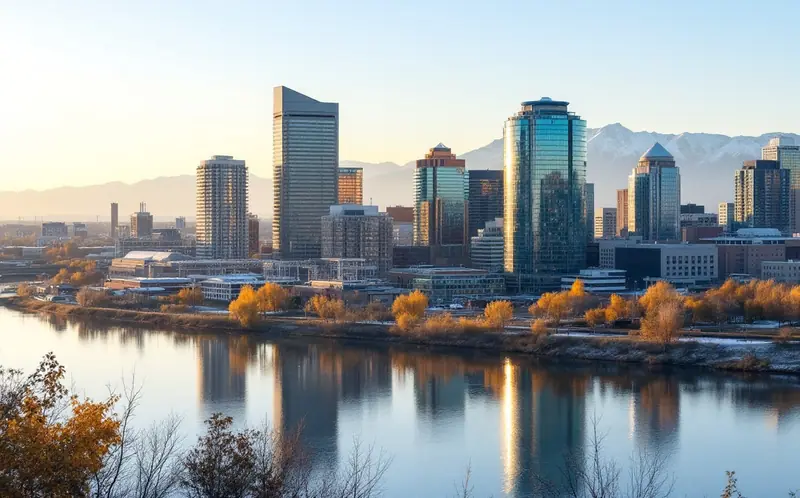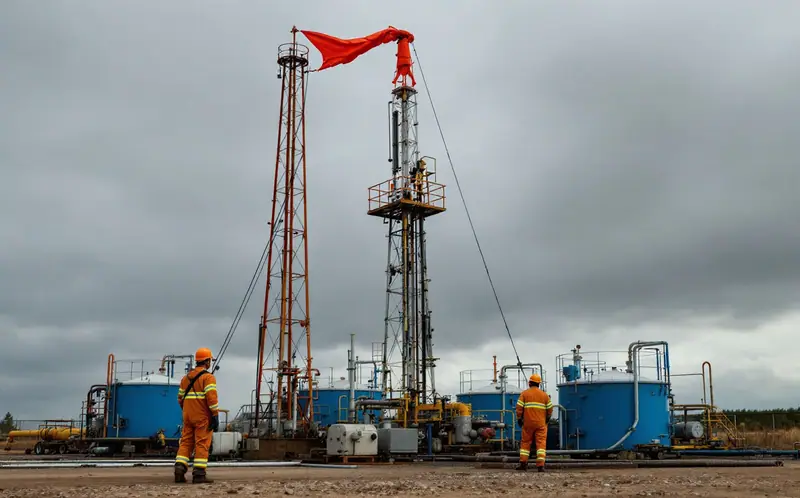
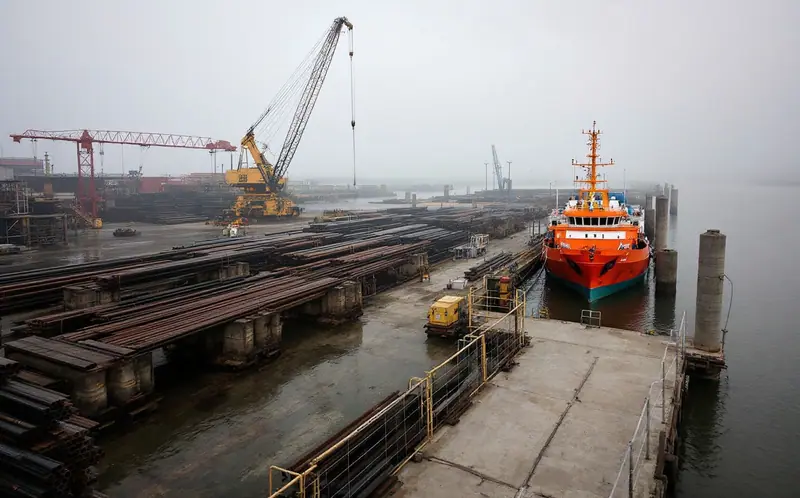
Mobile, Alabama: the port, yards and supply firms behind Gulf oil and gas
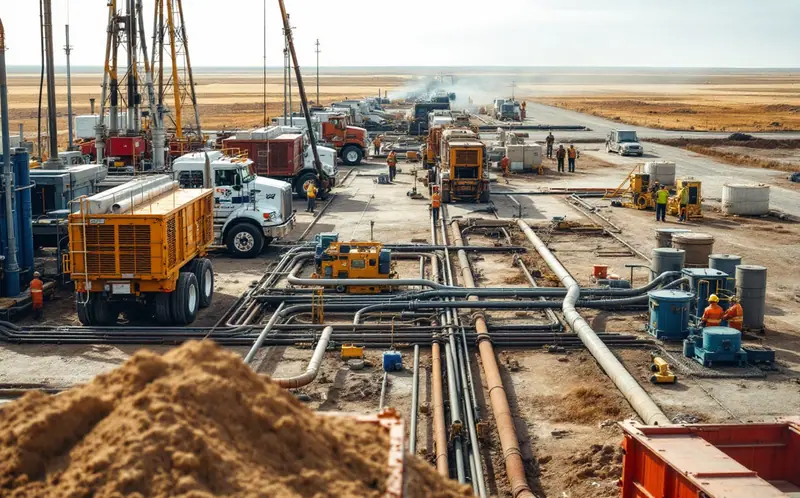
How Mobile, Alabama serves Gulf oil and gas work: a deep-water port, fabrication yards, workboat builders and the small supply firms that keep crews running.
Gas and OilExpoReports from the oil and gas show floor
Home / Show floor
Every report, newest first
Walk the aisles: plain explanations of the equipment, the processes and the work behind oil and gas, from the rig floor to the refinery gate.
How Mobile, Alabama serves Gulf oil and gas work: a deep-water port, fabrication yards, workboat builders and the small supply firms that keep crews running.
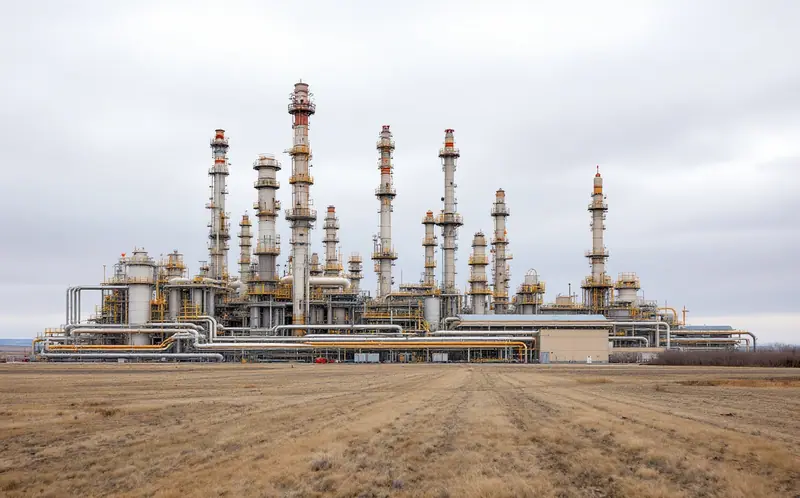
A unit-by-unit tour of a gas plant: slug catchers, amine towers, sulfur recovery, glycol contactors, the cold box, the demethanizer and the fractionation train.
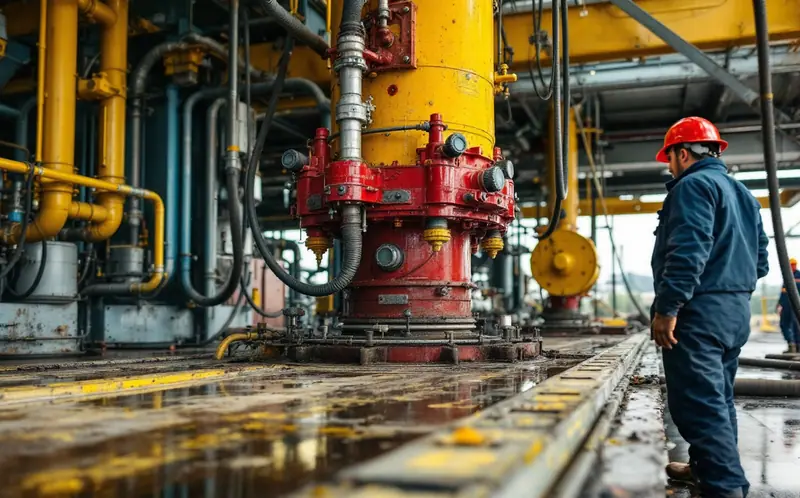
A tour of the blowout preventer stack from the annular down to the wellhead: what each ram does, how the accumulator closes them, and how a crew shuts in a kick.
From a Turner Valley gas well in 1914 to Leduc No. 1 and the oil sands: how a ranching town on the Bow River became the head office city of the oil patch.
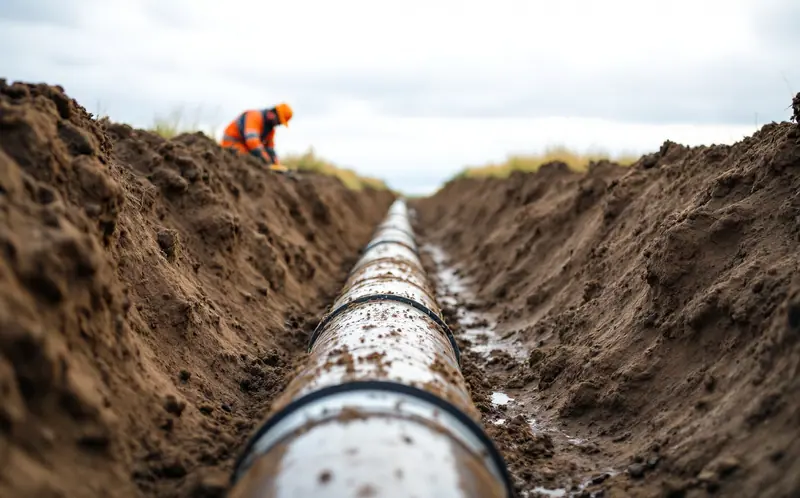
What wears a buried steel pipeline down and how operators keep ahead of it: coatings, cathodic protection, smart pigs, pressure tests, direct assessment and 811.
Field crews, trades and office roles each have their own way in. How people start in oil and gas: the jobs, the safety tickets, apprenticeships and courses.
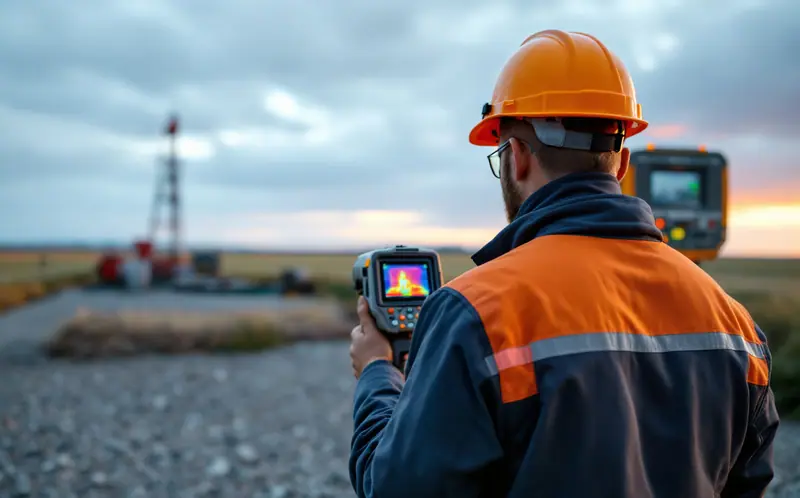
Where methane escapes on oil and gas sites, how crews find it with gas cameras, sniffers and aircraft, and what US and Canadian rules ask operators to record.
How a horizontal well is fractured one stage at a time: plug-and-perf and sliding sleeves, the frac spread, fluid and sand, pressure watching and flowback.
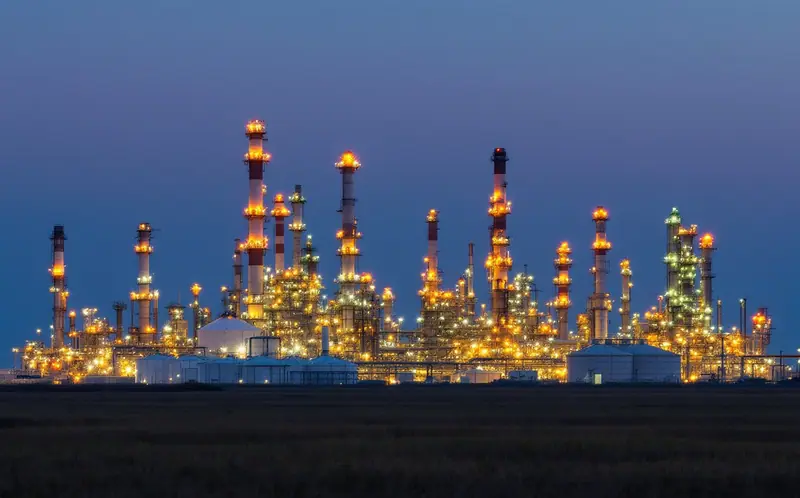
What happens to a barrel of crude between the tank farm and the truck rack: distillation, cracking, coking, hydrotreating, reforming, alkylation and blending.
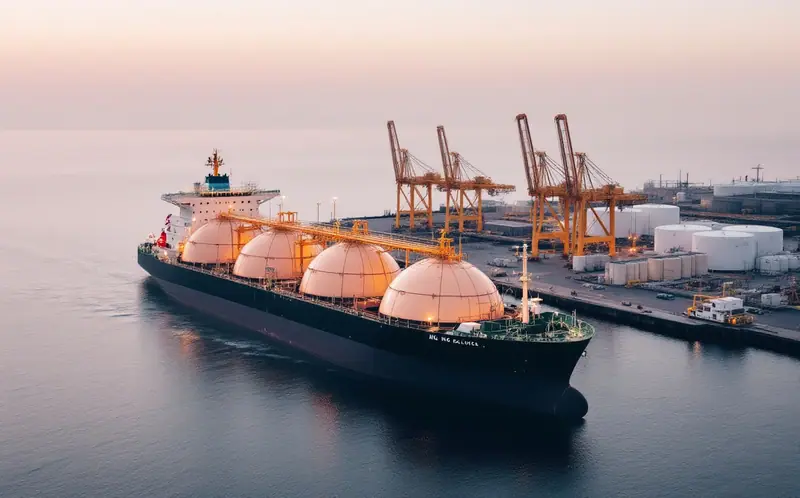
How natural gas is cleaned, chilled to about minus 162 C and shrunk 600 times, carried across oceans in insulated tanks and turned back into gas at the far end.
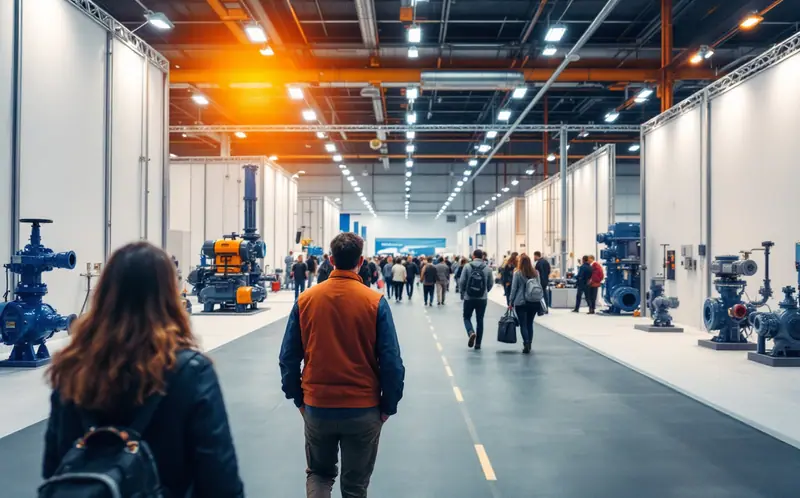
One day, several halls, hundreds of booths. A plain plan for visitors to big energy shows: set goals, map the floor, ask vendors better questions, follow up.
Why H2S is treated so seriously, where it turns up, why your nose cannot be trusted and what a course such as H2S Alive teaches before you reach a sour site.