
Home / Guide
Guide
A visitor checklist for oil and gas trade shows
What to sort out weeks ahead, the night before, on the show floor and in the week after, plus a short printable list for visiting an oil and gas trade show.
 By Morag TennantFirst posted at this address on 6 min read
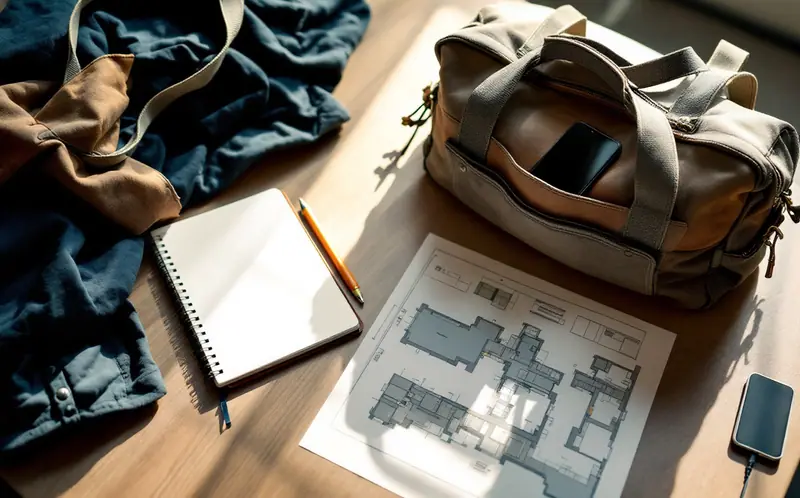
Most people who come home from a trade show annoyed with themselves forgot one of three things: why they went, what shoes to wear, or who they promised to call back. None of these is hard. They just get lost in the rush of travel and a noisy hall.
This is the checklist I would hand a colleague going to their first big oil and gas show. It runs in order, from a few weeks out to the week after, and ends with a short version you can print and fold into a pocket. Adjust it to your own job. A buyer, a student and a safety adviser will want different things from the same floor.
Three to six weeks before
Decide what the visit is for
Write down, in a sentence or two, what you want from the show. "Find two suppliers of gas detection for a new site." "Meet the three companies we already buy from and see their new kit." "Sit in on the technical sessions about methane." A goal you can write is a goal you can tell whether you met.
If someone has to approve your time and travel, that sentence is the start of the case. Add the days you need, the rough plan, and what you will bring back.
Pre-register
Most large shows let visitors register online in advance, and it is usually quicker than queuing at the door. Read what the form asks and what the organizer does with your details, because a badge scan at a booth usually passes your contact information to that exhibitor. The registration guide explains badge types and the data side in more detail.
Make a target list
Look through the exhibitor list on the organizer's site and pick the companies you actually need. Note each booth number and hall. Ten to fifteen is a sensible number for a single day if you also want time to wander. Mark two or three as must-see.
Book travel and somewhere to sleep
If you are traveling, book early. Hotels near a big show fill up, and late bookings often mean a long commute each morning. International visitors should check visa and entry rules on the destination government's official website, not a third-party page, and leave time for an invitation letter if one is needed. For a worked example of planning a trip, see planning your visit.
The week before
- Download or print the floor plan and mark your must-see booths. The guide to reading an exhibition floor explains how booth numbers usually work.
- Check the session program if there is a conference alongside, and note any talks you want.
- Email the people you already know who will be there and fix a time and booth to meet. A half-hour slot on a busy floor is worth more than "see you there".
- Check the weather for the show days, especially if there is an outdoor equipment area.
- Decide how you will take notes: a notebook, your phone, or both.
The day before
Pack with the outdoor yard in mind as well as the halls. A carpeted hall and a gravel yard full of trailers need different shoes.
- Comfortable, sturdy, closed shoes with a good sole. You may walk many kilometres in a day. If you plan to spend time around heavy equipment outside, boots are better than trainers.
- Layers. Halls can be cold under the air handling and warm in a crowd.
- Sun protection or a rain layer for the outdoor area, depending on the forecast.
- Photo ID, your confirmation email or badge, and business cards if you use them.
- Phone, charger and a small battery pack. Outlets on a show floor are scarce.
- Notebook and two pens.
- A refillable water bottle, if the venue allows one.
- A light bag with a shoulder strap. You will be offered more paper than you think.
- Any medication you take, in its original packaging if you are flying.
Charge everything overnight and put the floor plan where you can reach it without unpacking.
On the day
Get in early
The first hour after the doors open is usually the busiest at the entrance and the quietest at the back of the halls. Collect your badge, then go to the far end and work towards the doors.
Collect information without drowning in it
You do not need every brochure. At each booth, ask for the one spec sheet that matters, or take a photo of it and hand it back. If the exhibitor scans your badge, write one line in your notebook about what you talked about and what happens next. "Sending pricing for 4-gas monitors, contact Thursday" is useful. A stack of glossy paper with no notes is not.
A simple habit helps: one page per company, with the booth number, the name of the person you spoke to, what you learned, and the next step.
Look after yourself
Stop to eat and drink water. Sit down for ten minutes every couple of hours. In the outdoor area, keep outside barriers, do not climb on equipment unless invited onto a proper stair, and watch for moving vehicles. If someone is taken ill or injured, tell the nearest show staff or security and call the local emergency number (911 in North America, 999 in the UK, 112 in the EU).
A worked example
Purely as an illustration: you have twelve companies on your list, six in Hall A, four in Hall B and two in the yard. You start at the back of Hall B at opening, do the yard before lunch while the weather holds, eat, then finish Hall A in aisle order. You leave the last hour free for the booths you spotted along the way. For a fuller one-day plan, see working a trade show floor in one day.
In the week after
- Sort your notes the first evening, while you still remember faces.
- Follow up within a week. Send a short email to each person you promised to contact, naming what you discussed. After a week, most people have forgotten the conversation.
- Unsubscribe from lists you do not want. A badge scan can mean a lot of email.
- Write a one-page summary for your manager or team: what you saw, who you met, what you recommend.
- Put your expense receipts and notes together while they are in one place. Keep them with the summary so the trip and its reasons travel together.
The printable list
Weeks before:
- Goal written down
- Pre-registered, privacy terms read
- Target list with booth numbers
- Travel and hotel booked, entry rules checked
Day before:
- Sturdy closed shoes, layers, rain or sun gear
- ID, badge or confirmation, cards
- Phone, charger, battery pack
- Notebook, pens, water bottle, light bag
- Floor plan marked
On the day:
- Start at the back
- One page of notes per company
- Water, food, short breaks
- Stay outside barriers outdoors
After:
- Notes sorted the first evening
- Follow-ups sent within a week
- Summary and receipts filed together
Fold it in half and keep it with your badge. When the hall gets loud and you lose the thread, the list will tell you what you came for.