
Home / Guide
Guide
Planning a trip to an energy trade show, with Calgary as the example
Which days to go, getting a manager to sign off, booking travel, visas and packing, with Calgary's Stampede Park as the worked example for energy show visitors.
 By Harriet DunleavyFirst posted at this address on 7 min read
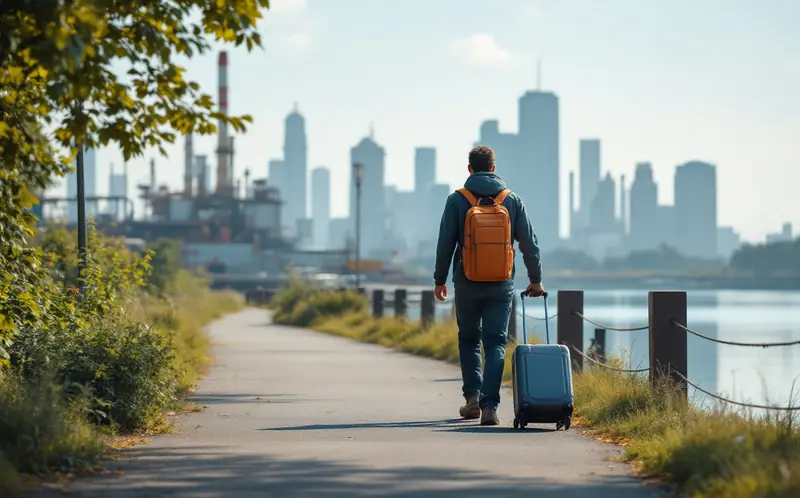
A big energy trade show is easy to attend badly. You fly in the night before, sleep poorly in a hotel an hour from the venue, spend the first morning in a badge line, and fly home before you have followed up with anyone. A little planning, done weeks ahead rather than days, fixes most of that.
This guide covers the planning side of a visit: choosing your days, getting approval, booking travel, sorting out paperwork if you are coming from abroad, and packing. Calgary runs through it as a worked example, because it is a city that has hosted large oil and gas events for decades and its layout makes a good case study. The same steps apply in Houston, Aberdeen, Abu Dhabi or anywhere else the industry gathers.
Step 1: Decide which days you need
Most large shows run over three or four days. The days are not equal.
- The first day is the busiest for exhibitors and often for senior visitors. Booth staff are fresh, but the aisles are crowded and the opening ceremonies can eat the morning.
- The middle days are usually the best for real conversations. The crowds thin a little and exhibitors have time.
- The last day is quiet, and some booths start packing up early in the afternoon. It is a good day for a final visit to one or two suppliers, not for a first look.
If you can attend only one day, pick a middle one. If you can manage two, pair a middle day with the conference sessions you most want to hear. For a plan of the floor itself, our guide to working a trade show floor in one day has a sample schedule.
Step 2: Write a short business case
If someone else pays for the trip, they will want to know why. A one-page case gets a yes far more often than a hallway request. Keep it to four short parts:
- The goal. Name the problems you want to solve or the suppliers you need to meet ("find an alternative supplier for our gas detection heads").
- The plan. Which days, which halls, which sessions, which people.
- The cost, in round terms: travel, accommodation, the badge or conference pass and meals, from your company's usual rates.
- What you will bring back. A written summary, a shortlist of suppliers and the follow-up actions, delivered within a week of your return.
Then do what you said in part 4. The next request gets much easier.
Step 3: Get your badge sorted early
Many shows offer free or reduced-price floor passes for visitors who sign up ahead of time online, and charge more at the door. Conference passes are separate and usually cost more. Our explainer on trade show registration and badges goes through the usual badge types and what each one lets you into. Print or save your confirmation, and bring photo ID, because some shows check it at pickup.
Step 4: Book travel and a place to stay
Hotels near a big venue fill early in show weeks, and rates climb as the dates get closer. Book as soon as your trip is approved, and choose a refundable rate if your plans might change.
When comparing places to stay, look at the trip to the venue more than the distance on a map. A hotel near a light rail station a few stops from the venue usually beats one closer to the halls but on the far side of a highway. If you plan to attend evening receptions, check how late public transit runs and how easy it is to get a taxi in the area at night.
The Calgary example
In Calgary, the trade show halls sit on Stampede Park, just south-east of downtown in the Beltline district, on land along the Elbow River. The BMO Centre on the park is the city's main convention and exhibition facility, and the older Big Four Building next to it is another of the park's exhibition halls.
Getting there is simple by public transit. The CTrain, Calgary's light rail system, runs through downtown along 7 Avenue, and the Red Line's south leg has two stations named for the park: Victoria Park/Stampede and Erlton/Stampede. If you stay downtown or near a Red Line station, you can reach the halls without a car. Plenty of visitors walk from downtown hotels in good weather.
Calgary International Airport, code YYC, is on the city's north-east side, roughly 17 km (11 miles) from downtown. Calgary Transit runs bus service between the airport and downtown, and taxis and ride-hailing are available at the terminal. Route numbers and fares change over time, so check the current details on the Calgary Transit website before you fly.
Step 5: Paperwork for international visitors
If you are crossing a border, start early. Rules depend on your nationality, where you are traveling and the purpose of your trip, and they change, so the only safe source is the destination country's official government website.
In general terms:
- Many countries require a visitor visa for business visits. Some nationalities can enter without a visa but must apply online for an electronic travel authorization before flying.
- Canada, for example, requires an Electronic Travel Authorization (eTA) for many visa-exempt travelers arriving by air. The Government of Canada eTA page explains how to apply. Use only the official site; third-party sites that offer to file for you may charge extra for the same form.
- If you need a visa, an invitation letter can help. Many shows issue one to registered visitors on request, and your own employer can write a letter explaining the purpose of the trip.
- Check that your passport is valid well beyond your return date.
- Check what your health insurance covers abroad, and buy travel cover if it does not.
Allow weeks, not days, for any visa application.
Step 6: Pack for the floor and the weather
Trade show packing is mostly about feet and layers.
- Comfortable closed-toe shoes that are already broken in. You will walk a long way on concrete.
- Layers. Halls can be warm when crowded and chilly early in the morning, and outdoor equipment areas leave you exposed to sun, wind and rain.
- A light rain jacket and sunscreen for the outdoor exhibits.
- Business cards, a pen and a small notebook, even if you plan to take notes on your phone.
- A phone charger and a small battery pack.
- A refillable water bottle.
- Any prescription medicine in your carry-on bag, with enough for a delay.
For Calgary, take the weather seriously. The city sits high on the prairie close to the Rocky Mountains, and conditions can change quickly. Summers are warm and fairly wet, and a sunny morning can turn into a cold, rainy afternoon. Winters bring chinook winds that can swing the temperature sharply within a day. Check the forecast the night before and pack for the worst of it.
Our visitor checklist collects these items, and a few more, into a list you can print.
Step 7: Leave time for the place
If your schedule allows a spare day, use it. Energy shows are tiring, and a day away from the halls helps you sort your notes before you fly home.
From Calgary, the obvious day trip is west into the Rockies. Banff National Park is close enough for a day out by car or on an organized tour, with mountain lakes, short walking trails and the town of Banff itself. If you prefer to stay closer, the city has museums and historic sites that tell the story of the industry you came to see, and a drive south-west into the foothills takes you toward Turner Valley, where Alberta's first oil and gas boom began in 1914. Our history piece on Calgary and the oil patch sets out that story.
A short planning timeline
| When | What to do |
|---|---|
| Three months before | Decide whether to go, write the business case, check visa rules |
| Two months before | Book travel and accommodation, apply for any visa or travel authorization |
| One month before | Sign up for your badge, request an invitation letter if needed, read the exhibitor list |
| One week before | Map your booths, pick your sessions, set up meetings with key suppliers |
| The day before | Check the weather and transit, charge everything, pack shoes and layers |
| The week after | Send follow-up emails, write your summary, share it with whoever paid |
The last row matters most. A trip that ends with five good follow-up emails and a one-page summary is the trip that gets approved again.