Home / Guide
Guide
Industry events explained: shows, conferences, demos and receptions
Trade shows, technical conferences, short courses, demos, career fairs and receptions: what each kind of oil and gas event is, who it suits and what you get.
 By Harriet DunleavyFirst posted at this address on 7 min read
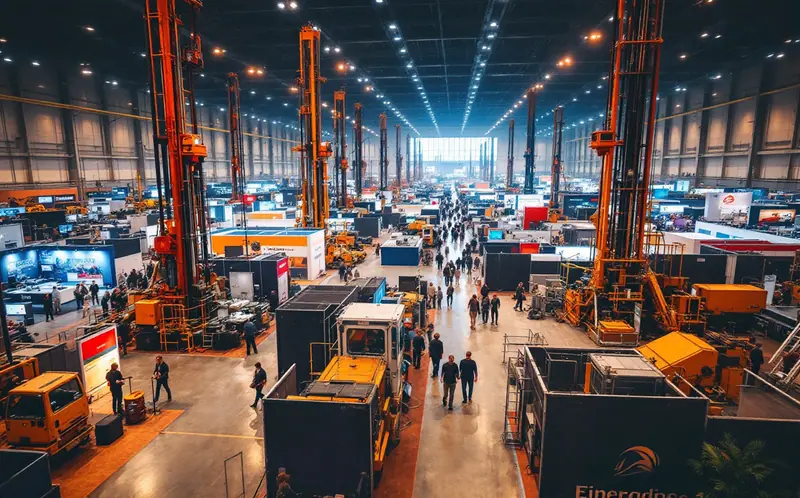
The oil and gas industry spends a lot of time in rooms together. Some of those rooms are the size of an aircraft hangar and full of pump jacks, some are hotel ballrooms with a projector and a lectern, and some are the back of a pickup on a lease road where a field supervisor is explaining a wellhead to six visitors in hard hats. If you are new to the business, the calendar of events can look like one long blur of badges and coffee. It is easier to sort out once you see that there are only about a dozen kinds of event, and each one does a different job.
This guide walks through those kinds, says who each one suits and what you can reasonably expect to take home. Large shows of this sort run in Calgary, Houston, Aberdeen, Abu Dhabi and plenty of smaller oil towns, and most of them mix several of the formats below under one roof.
The big trade show
A trade show is a commercial exhibition. Companies rent floor space, build booths or stands, and bring equipment, brochures and people to talk to. Visitors walk the aisles. The biggest energy shows fill several halls and often add an outdoor area for heavy equipment: service rigs, frac pumps on trailers, cranes, compressors, camp units.
Who it suits: almost anyone with a working reason to be there. Buyers come to compare suppliers in one place. Engineers come to see hardware they normally meet only on a drawing. Job seekers come to meet companies in person. Students come to find out what the industry actually makes and sells.
What you get: a lot of conversations in a short time, a feel for which products and services are getting attention, and the chance to put your hands on a valve or a drill bit. What you do not get is depth. A booth conversation runs a few minutes. If you want to understand a technology properly, a trade show is where you find the person to call later.
Technical conferences
A technical conference is built around papers. Authors submit abstracts months ahead, a committee picks the ones worth presenting, and the accepted authors write a paper and give a short talk in a session with a chair who keeps time and runs questions. The Society of Petroleum Engineers is the best-known organizer of this kind of meeting in the upstream business; it runs conferences, workshops and training around the world and manages OnePetro, an online library where conference papers end up.
Who it suits: engineers, geoscientists, researchers and anyone who needs to know what has been tried in the field and how it went. The talks are technical and the audience expects data. Our longer guide to how technical conferences work covers calls for papers, session formats and how a junior attendee gets value from them.
Short courses
Short courses are one to five days of classroom teaching, often scheduled just before or after a conference so that people who have already traveled can stay on. Topics are practical: well control basics, production operations, pipeline integrity, reservoir engineering for non-engineers. Some carry continuing education credits that professional bodies recognize; check with your own association what counts.
Who it suits: people who need structured learning on a topic and cannot spare a full semester. A good instructor with a whiteboard can save you months of piecing it together on your own.
Showcase theatres
Many big shows set up small theatres on the exhibition floor, with rows of chairs, a screen and a short program of vendor talks, usually 20 to 30 minutes each. These are commercial presentations: a company explains a product, a method or a field result. Some are excellent, some are a brochure read aloud. Our guide to exhibitor showcase theatres explains how to pick talks and how to judge what you hear.
Who it suits: visitors with a specific problem who want a quick look at how different suppliers approach it.
Live demonstrations
Live demonstrations are where you watch work being done: pipeline welding, plasma cutting, gas detection, fire suppression, crane handling, sometimes a small drilling or coring rig turning in a fenced area. They run on a schedule or on a loop, behind barriers. The guide to pipeline welding demonstrations covers what you are looking at in one of the most popular kinds.
Who it suits: anyone who learns by watching. Apprentices and students get a lot out of them, and so do office staff who buy or specify equipment they have never seen running.
Career fairs
Some shows host a career fair on one day, or a careers zone where employers, colleges and training providers sit together. There are also stand-alone career fairs, often at colleges and universities with petroleum or trades programs.
Who it suits: students, recent graduates, people coming back after a downturn, and career changers from other heavy industries. Bring a short printed resume, know which two or three employers you most want to speak with, and ask what entry-level roles actually involve day to day.
Receptions and networking evenings
Receptions are the social side: an evening event in a hall or hotel room where people stand around with a plate and a drink and talk. Some are open to everyone with a badge, some are by invitation from a company or an association. They matter more than they look, because the people you meet there are the people who answer your email later. The guide to receptions and networking evenings covers badges, conversation, conduct and getting home safely.
Site and facility tours
Some conferences and associations organize tours: a gas processing plant, a pipeline control center, a fabrication shop, a training facility, sometimes a drilling rig. Places are limited and the host sets the rules on personal protective equipment, photography and who may come. Expect to sign in, watch a safety orientation and stay with your guide.
Who it suits: anyone who wants to see the real thing at working scale. One afternoon at a gas plant will teach you more about where a molecule goes than a week of slides.
Regional association meetings
Below the big events sits a steady layer of smaller ones: monthly lunch meetings of a local professional section, breakfast talks run by a regional petroleum association, evening seminars from a safety association. They are cheap or free, local, and full of people who work in the same basin you do.
Who it suits: everyone, and especially people early in their careers. Regular attendance at a local section does more for your network over a few years than one trip to a famous show.
A worked example: one week, three formats
Here is an illustrative plan for a junior production technologist given four days by a manager to attend a large show with a conference attached. The plan is invented for the example.
| Day | Format | Goal |
|---|---|---|
| Monday | Two-day short course on artificial lift | Fill a known gap in training |
| Tuesday | Short course, then the opening reception | Finish the course, meet three people outside the class |
| Wednesday | Conference sessions in the morning, show floor after lunch | Hear two papers on pump failures, then visit five lift suppliers |
| Thursday | Showcase theatre talk, live demo, career zone | Compare two vendor approaches, see equipment running, note one training provider |
The point is not the exact schedule. It is that each day mixes formats with a clear purpose: learn in the classroom, test what you learned against real papers, then walk the floor with sharper questions. People who wander a show with no plan tend to come home with a bag of pens and not much else.
Picking the right event
If you need to learn a subject, look for a short course or a technical conference. If you need to compare suppliers, a trade show with a strong exhibition floor is the place. If you need a job, go where employers sit down to talk, such as a career fair or a local association meeting. If you need contacts, the receptions and the small local events usually do more than the big halls. Most people end up using several of these over a career, and the most useful habit is simple: before you go to anything, write down the one thing you want to come home with.