Natural Gas & LNG
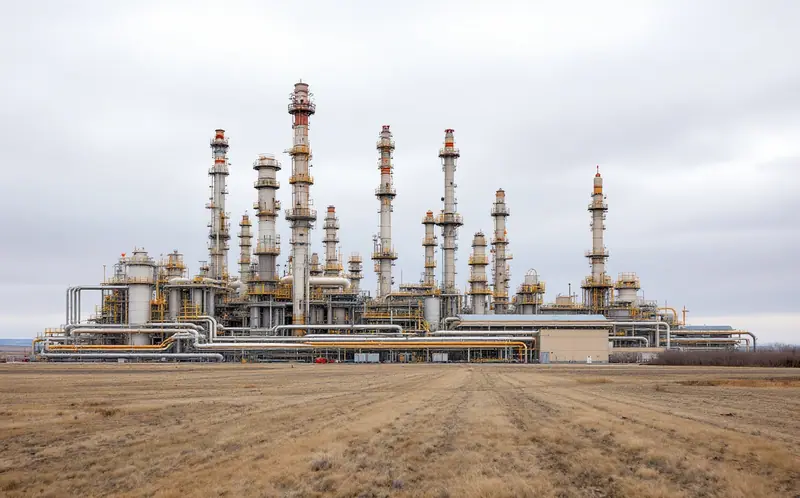
Gas processing plants: sweetening, dehydration and NGLs
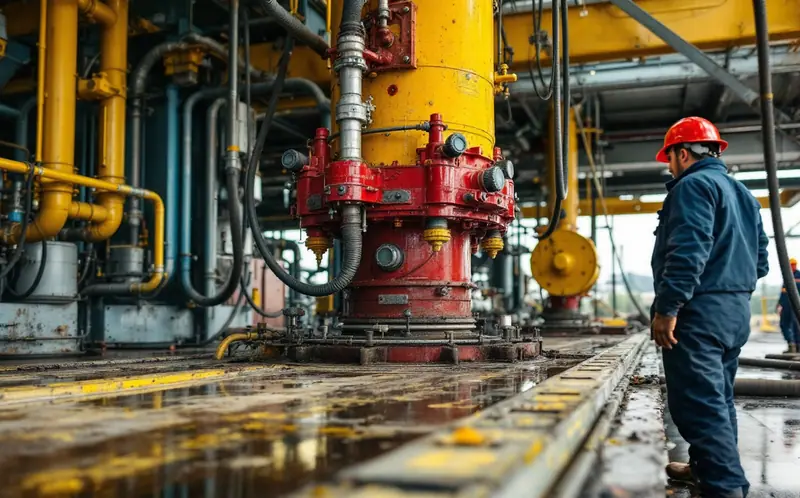
A unit-by-unit tour of a gas plant: slug catchers, amine towers, sulfur recovery, glycol contactors, the cold box, the demethanizer and the fractionation train.
 Gas and OilExpo
Reports from the oil and gas show floor
Latest report · Industry Explained
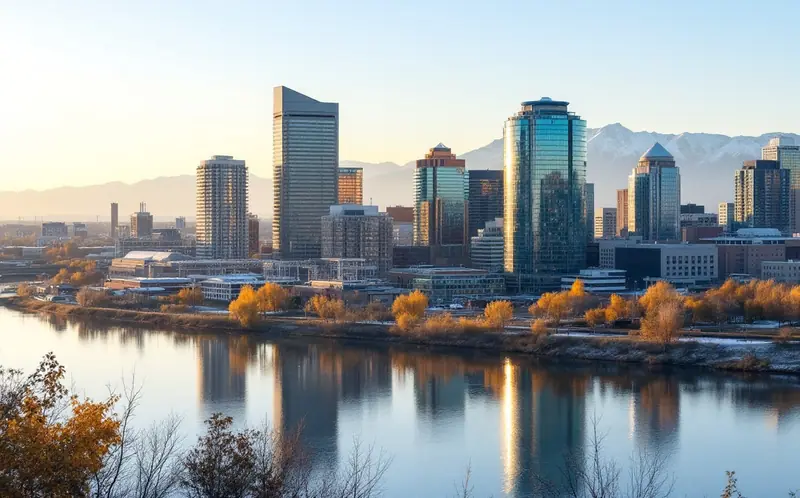
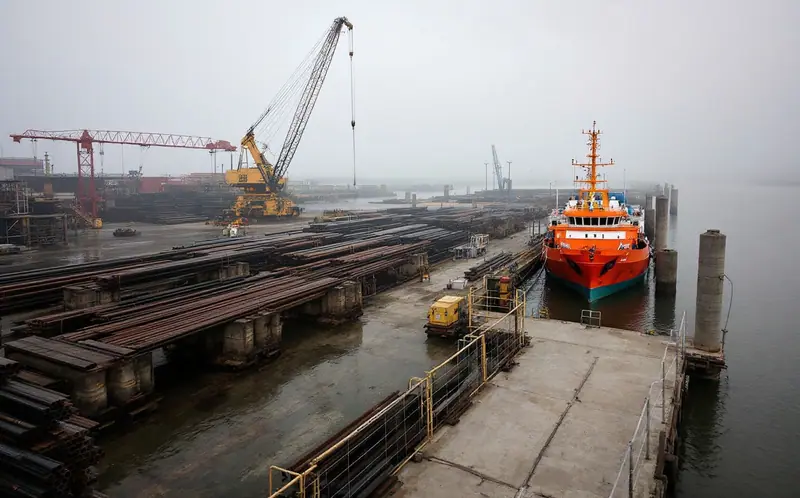
How Mobile, Alabama serves Gulf oil and gas work: a deep-water port, fabrication yards, workboat builders and the small supply firms that keep crews running.
Drive south from downtown Mobile toward Theodore and Bayou La Batre and you pass the oil and gas industry without quite seeing it: a yard stacked with pipe spools, a machine shop with a crane bay, a warehouse full of valves and gaskets, a dock where a workboat is taking on fresh water and fuel. Very little of it carries a famous name. Most of the work is done by small Alabama firms, many of them family owned, that win jobs by being quick, close and easy to find, and being easy to find now means turning up in a search as well as in the phone book, which is why some of them hand that part to people like Alabama SEO Company. This piece walks through the port, the yards and the supply trade that make Mobile a working corner of the Gulf Coast industry.
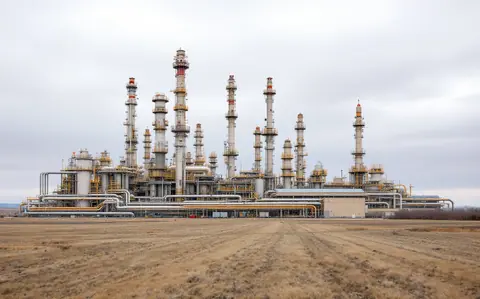 Gas processing plants: sweetening, dehydration and NGLsNovember 12, 2026
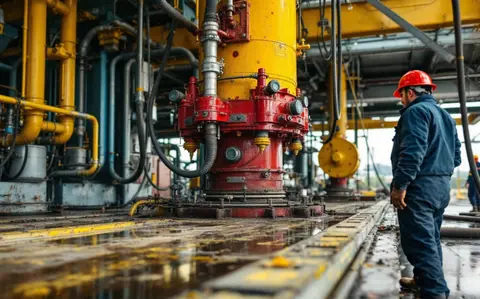 Blowout preventers: rams, annulars and the stackNovember 4, 2026
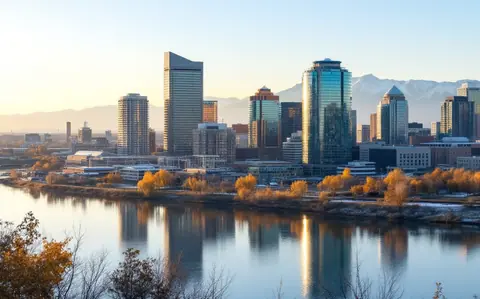 Calgary and the oil patch: how a city became Canada's energy capitalSeptember 8, 2026
Going to an energy trade show? Use the checklist to prepare, and come home with notes you can act on. More »
A unit-by-unit tour of a gas plant: slug catchers, amine towers, sulfur recovery, glycol contactors, the cold box, the demethanizer and the fractionation train.
A tour of the blowout preventer stack from the annular down to the wellhead: what each ram does, how the accumulator closes them, and how a crew shuts in a kick.
From a Turner Valley gas well in 1914 to Leduc No. 1 and the oil sands: how a ranching town on the Bow River became the head office city of the oil patch.
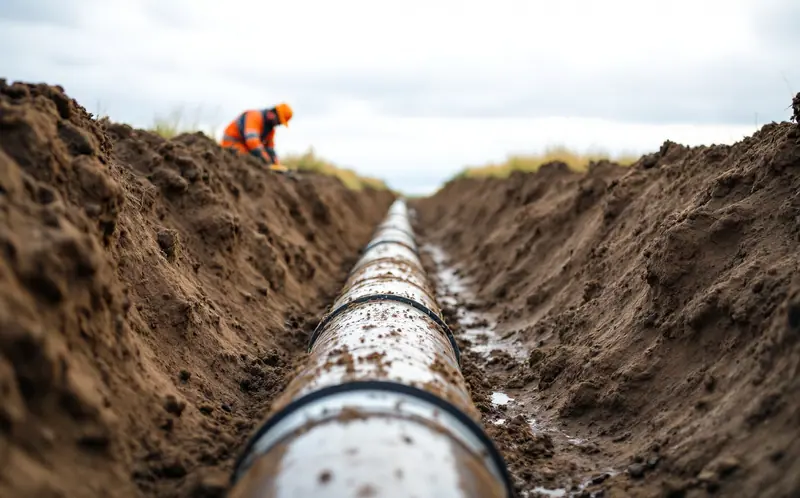
What wears a buried steel pipeline down and how operators keep ahead of it: coatings, cathodic protection, smart pigs, pressure tests, direct assessment and 811.
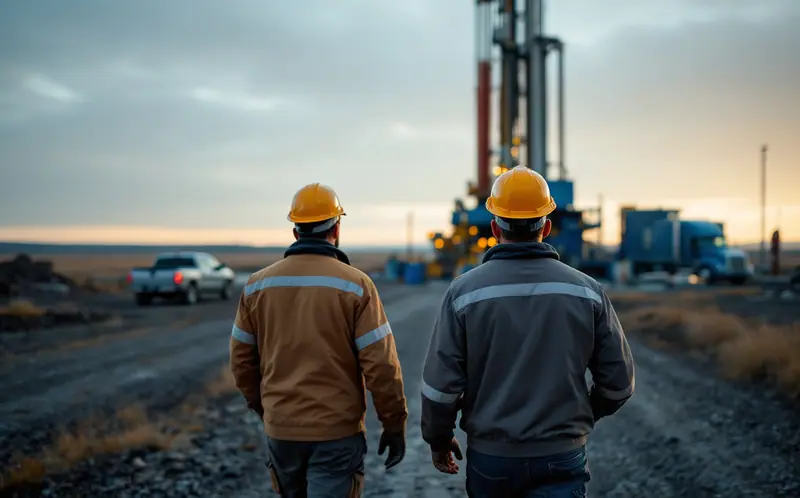
Field crews, trades and office roles each have their own way in. How people start in oil and gas: the jobs, the safety tickets, apprenticeships and courses.
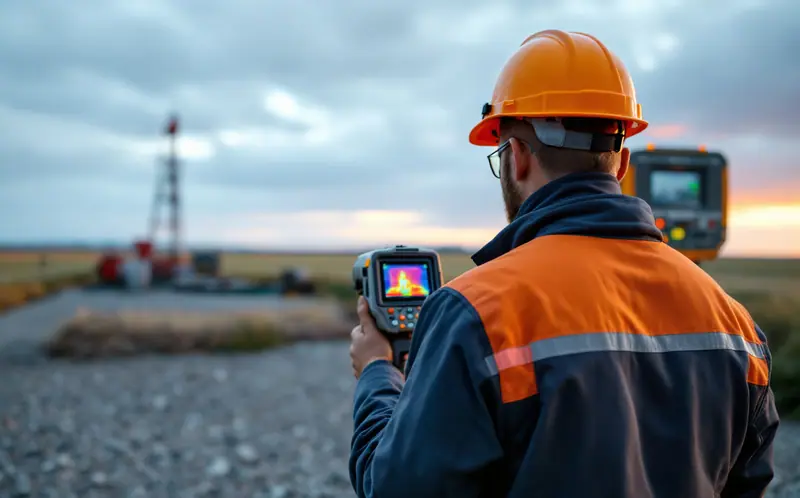
Where methane escapes on oil and gas sites, how crews find it with gas cameras, sniffers and aircraft, and what US and Canadian rules ask operators to record.
We write about the oil and gas industry the way a good trade show shows it: one hall at a time, with the equipment in front of you and someone on hand to explain it. Drilling and completions, heavy oil and the oil sands, natural gas and LNG, pipelines, safety and the careers that hold it together. Read more about the site.