Hall G · Industry ExplainedHall D · Pipelines & Midstream
Mobile, Alabama: the port, yards and supply firms behind Gulf oil and gas
How Mobile, Alabama serves Gulf oil and gas work: a deep-water port, fabrication yards, workboat builders and the small supply firms that keep crews running.
 By Esteban Villarreal7 min read
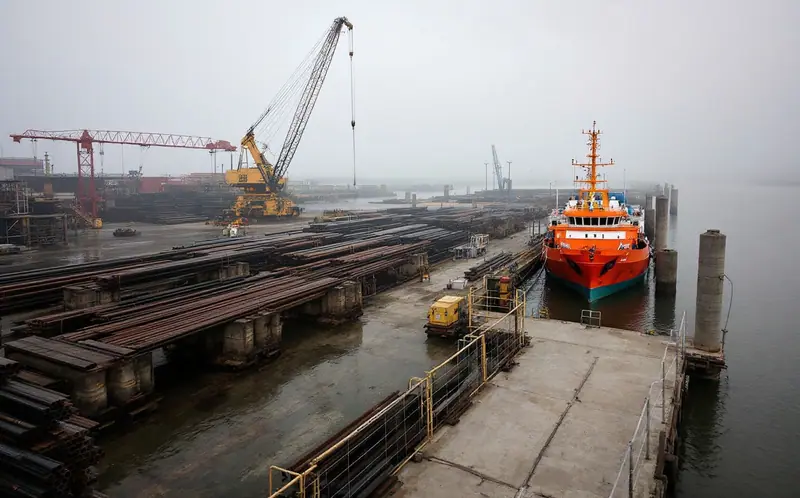
Drive south from downtown Mobile toward Theodore and Bayou La Batre and you pass the oil and gas industry without quite seeing it: a yard stacked with pipe spools, a machine shop with a crane bay, a warehouse full of valves and gaskets, a dock where a workboat is taking on fresh water and fuel. Very little of it carries a famous name. Most of the work is done by small Alabama firms, many of them family owned, that win jobs by being quick, close and easy to find, and being easy to find now means turning up in a search as well as in the phone book, which is why some of them hand that part to people like Alabama SEO Company. This piece walks through the port, the yards and the supply trade that make Mobile a working corner of the Gulf Coast industry.
Why a port city ends up as a service town
Mobile sits where the Mobile River empties into Mobile Bay, and the port there is the only deep-water port in Alabama. That single fact explains a lot. Heavy steel moves best by water, and the oil and gas business runs on heavy steel: casing, line pipe, pressure vessels, platform members, anchor chain. A town that can take a ship at the dock and put the cargo on a barge, truck or rail car within a few kilometers has an advantage nothing else can fake.
The port also faces two ways. Seaward, it opens on the Gulf of Mexico and the offshore fields. Inland, the river system and the Tennessee-Tombigbee Waterway connect it to barge traffic from the middle of the country. Interstates 10 and 65 meet near the city, and several railroads reach the docks. The Alabama Port Authority's Port of Mobile page lays out the public terminals, and over the years the authority has spent on infrastructure meant, among other things, to serve the vessels and equipment of deep-water oil and gas fields.
What the docks handle for the oil patch
If you stand at a laydown yard near the river for an afternoon, the cargo tells you what the industry needs:
- Tubulars: casing, tubing and line pipe arrive in bundles, get checked against their mill certificates, and wait on timber dunnage for the next leg.
- Project cargo: compressor skids, separators, heat exchangers and other modules are often too big for a highway without a permit and an escort. Moving them by barge for as much of the trip as possible is cheaper and safer.
- Breakbulk: mud components, cement, chemicals in totes and spare parts on pallets.
- Outbound work: finished fabrication heading offshore or to other Gulf terminals, and equipment returning for repair.
A lot of it is paperwork: inspection reports, heat numbers, coating records, customs forms. The yards that do well never lose track of a joint of pipe.
Fabrication yards: spools, skids and structures
Fabrication is where Mobile looks most like an industry town. A Gulf Coast fab yard typically builds some mix of the following:
| What they build | What it is | Where it ends up |
|---|---|---|
| Pipe spools | Prefabricated lengths of pipe with flanges, elbows and tees welded on | Plants, compressor stations, platforms |
| Skids | A steel frame carrying a pump, meter run, separator or small compressor, piped and wired | Gas plants, pipeline stations, well pads |
| Pressure vessels | Separators, scrubbers, knockout drums, built to a design code | Production facilities on and offshore |
| Structural steel | Platform decks, stair towers, pipe racks, helidecks | Offshore and onshore facilities |
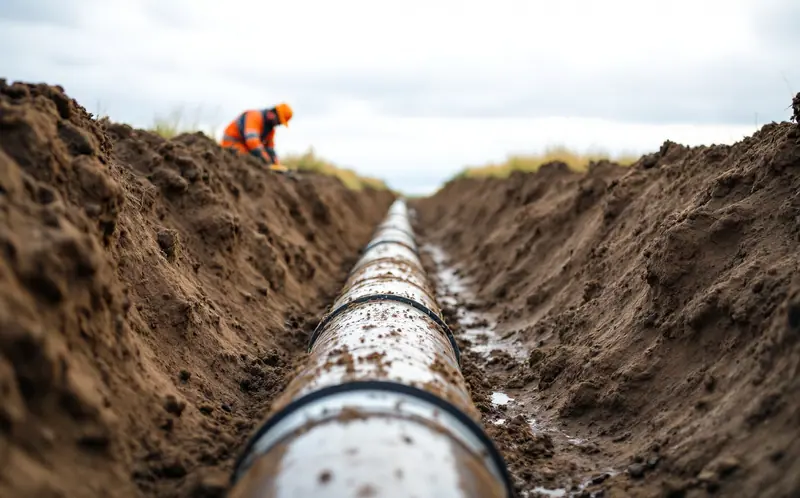
The work follows a familiar order. Engineering drawings arrive, material is ordered and traced, welders qualified to the right procedure make the joints, and inspectors check them with radiography or ultrasonic testing. Pressure-containing work is hydrotested: filled with water, pressurized above its working rating and held while someone walks it looking for leaks. If you have ever watched a pipeline welding demonstration, you have seen a small slice of what goes on in these shops all day.
A large yard can take on a full platform deck. A shop with a dozen welders wins the jobs that need doing this week: a replacement spool, a modified skid, handrails that failed inspection.
Bayou La Batre and the workboats
South of Mobile, Bayou La Batre is best known as a fishing and seafood town, and the shrimp boats are still there. The same waterfront has long had boatyards, and the skills that build and repair steel fishing vessels carry over to workboats. Offshore supply vessels, crew boats, tugs and push boats all need hull work, engine overhauls, propeller and shaft repairs, and periodic time out of the water for inspection.
A supply vessel's life is a loop: load at a shore base, run out to a platform or rig, offload pipe, mud, fuel and water, run back. Every unplanned day at the dock hurts the operator, so repair yards near the shore bases get the call.
The supply companies nobody photographs
The least visible part of the trade is the supply house. These are distributors and small service firms that keep stock on the shelf and someone on the phone at odd hours. Here is a worked example, simplified and illustrative rather than drawn from any one company.
A production platform finds a weeping flange on a gas line late on a Friday. The operator's maintenance planner needs a matching gasket set, new stud bolts of the right grade, and a replacement valve of a given size and pressure class. The planner calls the suppliers on the approved vendor list. The firm that answers, has the parts with the right certificates and can reach the shore base before the next boat leaves gets the order. A hot-shot driver runs the parts down. A boat carries them out. The repair crew does the job under the platform's permit system.
Nothing in that sequence needs a big brand. It needs stock, paperwork, a truck and a phone that gets answered, which is why so much of the Gulf service sector is firms of a few dozen people or fewer: valve distributors, bolting specialists, rigging shops, rental tool companies, machine shops, safety suppliers and the trucking outfits that move it all.
How a small firm gets on the list
Getting that Friday night call starts long before Friday. Operators and large contractors keep approved vendor lists, and getting onto one takes work:
- A safety prequalification covering injury rates, written safety programs, training and drug and alcohol testing.
- Proof of insurance at the levels the customer sets.
- Quality records: material traceability, inspection reports and, for welding shops, qualified procedures.
- A trial order or two, done on time.
Before any of that, though, somebody has to know the firm exists. A buyer new to the area, or a planner covering for a colleague, will often start with a search for something like "pipe threading Mobile AL" or "valve repair near Theodore". A firm with a clear website listing what it does, its certifications and its hours, plus an accurate map listing, gets a chance to quote. One with no web presence depends entirely on word of mouth. Plenty of old shops live on word of mouth and do fine; newer firms treat being findable as part of the job, like answering the phone.
Gas in the bay, oil up the county
Mobile is not only a staging point for distant offshore work. Natural gas platforms stand in the lower reaches of Mobile Bay and in Alabama's state waters, and they need the same supply boats, valves and inspection crews as anything farther out. Up in the north of Mobile County, around Citronelle, oil has been produced onshore for decades from a field that ranks among the largest in the state. Oil and gas activity in Alabama is regulated by the State Oil and Gas Board, which permits wells and keeps the public well records.
That mix helps the local trade ride out the swings: when offshore drilling slows, maintenance on existing platforms and onshore wells keeps orders moving.
If you are looking at work there
Mobile offers routes into the industry that never go offshore: welding and fitting in a fab yard, warehouse work at a supply house, machining, inspection and marine trades. Many employers value a welding ticket, a safety orientation and a clean driving record more than a degree. Our guide to starting a career in oil and gas covers the safety tickets and entry routes in more detail, and the overview of the supply chain by product category shows where each of these firms fits in the bigger picture.
The useful habit, whether you are hiring a supplier or looking for a job with one, is the same: ask what they keep in stock, what paperwork comes with it, and who answers the phone at night.

Esteban Villarreal
Esteban is from Corpus Christi, Texas, and writes about pipelines, terminals and refining along the Gulf Coast and beyond. He likes a good process diagram and a clear answer to where the barrel goes next.